
Crypto User Loses $282M in Massive Social Engineering Heist
Contents
A New Record: The Biggest Crypto Heist Yet?
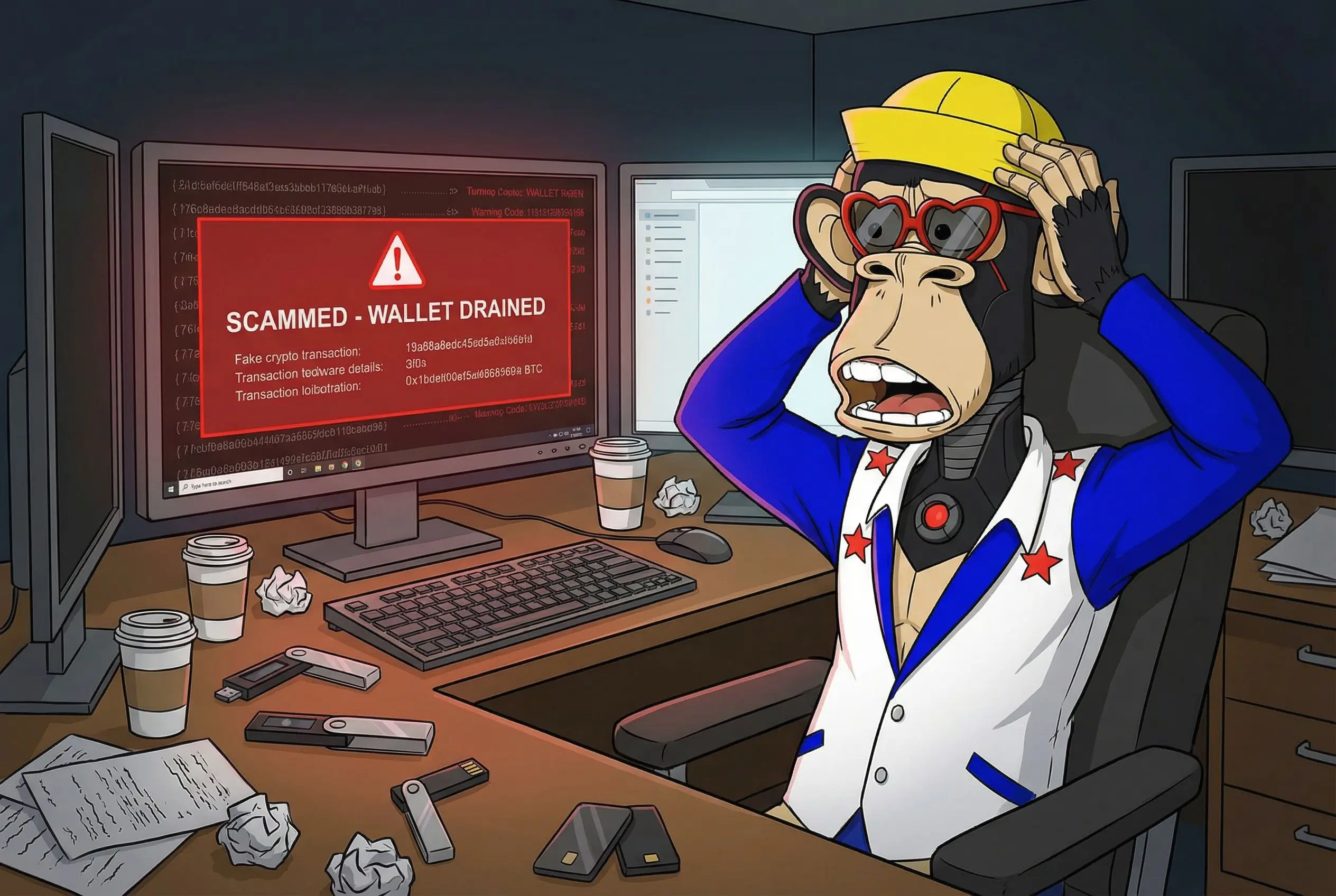
A jaw-dropping $282 million has vanished almost overnight, leaving the crypto community stunned. On January 10, 2026, someone pulled off one of the most outrageous social engineering heists anyone has ever seen. The target? An unsuspecting user’s hardware wallet, wide open after a scammer pretending to be Trezor support sweet-talked the victim into revealing their wallet seed phrase. Ouch.
How Did the Crypto Scam Happen?
Like a bad dream, the victim reached out for help and wound up sharing their sensitive wallet info. That seed phrase is supposed to be top-secret, but the scammer convinced the user it was safe to hand it over. With those details in hand, the attacker emptied 2.05 million Litecoin (about $153 million) and 1,459 Bitcoin (about $139 million) in a single smooth move.
The Attacker’s Next Moves
The thief didn’t let the money sit still. They zipped funds across multiple blockchains and used instant crypto exchange services to convert a large chunk into Monero (XMR), a notoriously hard-to-trace cryptocurrency. That move even sent XMR prices shooting up. To make things even trickier, they moved portions of the stolen Bitcoin through THORChain on Ethereum, Ripple, and Litecoin. This cross-chain action kicked off a new debate: Are decentralized bridges just new getaway cars for crypto criminals?
Security Teams Step In
Security firm ZeroShadow raced against the clock, working with blockchain monitoring specialists. Thanks to their quick action, about $700,000 in stolen funds were frozen before the hacker could swap everything into privacy coins. Still, compared to what was stolen, that’s just a drop in the bucket. The victim? Just a regular person who got fooled by a “Trezor Value Wallet” imposter. Talk about a rough day.
Social Engineering: Not a New Threat
Believe it or not, this isn’t the first time a scam like this has made headlines. Last year, an elderly US Bitcoin holder lost $330 million to a similar social engineering trick. These scams are becoming all too common.
What About NFTs and Security?
Imagine “Support Pass” NFTs, unique tokens issued by trusted wallet providers, like Trezor or Ledger. When you need help, you’d only connect with support agents who can prove they own a valid Support Pass NFT. That way, users instantly know if support is legit, no more falling for fake “help” on social media or email.
NFTs could act as a “lock” on your seed phrase, only allowing it to be viewed, exported, or even checked with a one-time-use access NFT. You’d have to sign a special NFT transaction from your device for this to happen, making it incredibly hard for scammers to trick users into simply typing out their seed phrase.
Final Thoughts
Crypto is full of wild opportunities, but the scams are getting smarter too. If anyone asks you for your seed phrase, run the other way. Maybe, just maybe, your next NFT will help you steer clear of tricks like this. The game is changing fast, so keep your eyes open and your wallet even safer!
Read next
Volgt de NFT- en crypto-markt op de voet en vertaalt het nieuws naar wat het voor makers betekent.
Related articles

How to Create a Multi-Chain NFT Collection (Same Art, Multiple Chains)
Same art, different chains. Here's how to actually deploy a collection across Ethereum, Base, Polygon, or BNB Chain without creating metadata chaos or confusing your own holders.

NFT Floor Price Explained: What It Means and Why It Moves
Floor price gets treated as the single number that defines a collection's health, but it's easy to manipulate and easy to misread. Here's what it actually measures and what to look at alongside it.

How to Add Royalties to Your NFT Collection with iMintify
Royalties are set once at deploy and hard to change later, so getting the percentage and enforcement model right matters. Here's where it lives in iMintify's flow and what to actually expect from marketplaces today.

How to Run a Whitelist Presale Without Getting Sniped by Bots
Bots don't care about your allowlist, they care about being first. Here's how per-wallet limits, signature-based allowlist checks, and staggered timing keep a presale from getting swept before real holders get a chance.

1/1 NFT vs Generative Collection: Which Should You Launch First?
A single hand-crafted 1/1 and a large generative collection solve completely different problems. Here's a clear way to decide which one actually fits where you are as a creator right now.

How to Set Up NFT Token Gating for a Discord Community
Gate a Discord channel to actual NFT holders in a few steps: connect a verification bot, set the contract address, and assign roles automatically as wallets verify.

How to Renounce Contract Ownership After Deploying an NFT or Token
Renouncing ownership is one of the clearest trust signals a token or NFT contract can send. Here's what it actually does on-chain, when to hold off, and how to do it through iMintify's post-deploy tools.

ERC-721 vs ERC-1155: Which NFT Standard Should You Use?
ERC-721 and ERC-1155 solve different problems. Here's the practical difference between the two standards, what it costs in gas, and which one fits a PFP collection versus a game or edition drop.