How Do NFTs Work? Blockchain, Minting and Ownership Explained
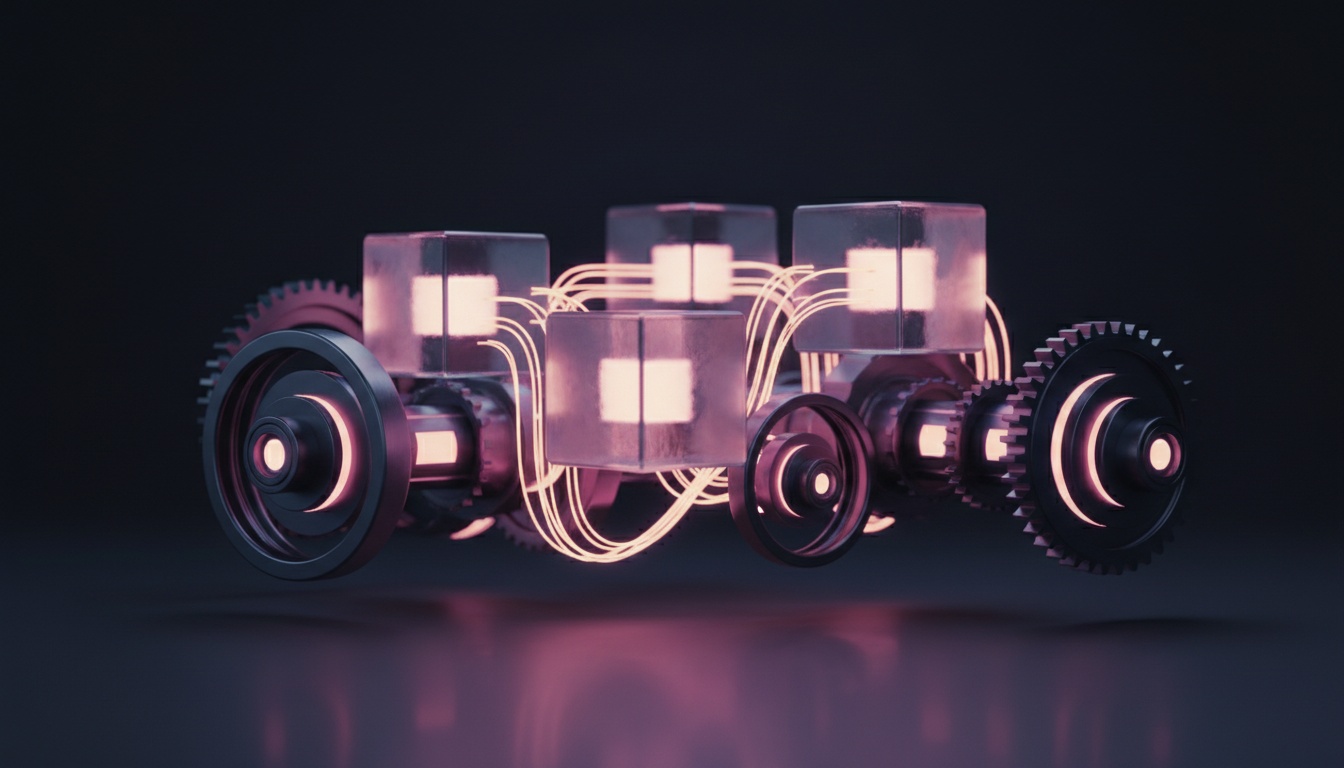
An NFT works by recording, on a blockchain, that a specific token is unique and who owns it. That token points to your artwork and its details, so anyone can verify ownership and no one can fake it. It sounds technical, but the moving parts are simple once you see them. Here is how it all fits together.
The blockchain and the token
A blockchain is a shared, tamper-proof ledger. Instead of one company holding the records, thousands of computers hold the same copy, and changing it after the fact is practically impossible. When you create an NFT, a smart contract issues a token with its own unique ID on that ledger. Because the ledger is public and cannot be quietly edited, the record of who owns which token is trustworthy by design.
Minting
Minting is publishing the NFT to the blockchain for the first time. That is the moment the token is created and assigned to a wallet. Before minting, your art is just a file. After minting, there is an on-chain token that represents it and points to it. On iMintify, minting is a no-code step at the end of creating your collection. You can read more in what is minting an NFT.
Metadata: the details behind the token
The token itself is small, so it points to metadata, which holds the name, description, image link and traits. Marketplaces read this metadata to display your NFT correctly. If the metadata is wrong or the image link is broken, your NFT can show up blank, which is why getting it right matters.
Where the art is stored
The image usually does not live on the blockchain itself, because that would be far too expensive. Instead it is stored on decentralized storage like IPFS, or permanently on Arweave, and the token stores a link to it. That keeps the artwork reachable without a single company hosting it. If you want the difference explained, see Arweave vs IPFS.
The smart contract
The smart contract is the on-chain code that mints and manages the collection. It defines the supply, the price, the royalties and who owns what. Deploying an audited contract is what makes minting, transfers and royalties work reliably, and it is what marketplaces interact with when someone buys or sells.
Wallets
A wallet like MetaMask or Phantom holds your NFTs and signs transactions. Owning an NFT really means your wallet address is recorded on-chain as the owner of that token. Move it to another wallet and the ledger updates. Nobody can take it without your signature.
A quick example, start to finish
You generate art, the smart contract mints a token and assigns it to a buyer's wallet, the token points to metadata on IPFS, and the marketplace reads that metadata to show the NFT. Every step is public and verifiable. That is the whole loop.
Try it yourself
The fastest way to understand NFTs is to make one. Create an NFT with AI for free, or read the full guide on what is an NFT.
FAQ
What happens when you mint an NFT?
A smart contract creates a unique token on the blockchain and assigns it to your wallet. From that point the ownership record is public and verifiable.
Where is the NFT image stored?
Usually on IPFS or Arweave rather than on the blockchain itself. The token stores a link to that decentralized storage, so the artwork stays reachable.
How is NFT ownership proven?
Your wallet address is recorded on-chain as the owner of the token. Because the blockchain is public and tamper-proof, anyone can verify it and no one can fake it.
Have your own artwork ready? The layer-based NFT generator mixes your layers into a complete collection in minutes.
Legt de basis uit: wat dingen zijn, hoe ze werken en waarom ze bestaan, zonder jargon.
Related articles

ERC-721 vs ERC-1155: Which NFT Standard Should You Use?
ERC-721 and ERC-1155 solve different problems. Here's the practical difference between the two standards, what it costs in gas, and which one fits a PFP collection versus a game or edition drop.
What Is a Liquidity Pool? Crypto Liquidity Explained
What is liquidity in crypto and what is a liquidity pool? How pools and AMMs work, why liquidity matters for your token, when to add it, and impermanent loss explained.
Are NFTs Dead in 2026? An Honest Look at Where They Stand
Are NFTs dead? The hype cooled, but NFTs are still widely used for memberships, gaming, tickets and loyalty. An honest look at what changed and where NFTs stand now.
What Does NFT Mean? (NFT Stands for Non-Fungible Token)
What does NFT mean and what does NFT stand for? NFT stands for non-fungible token, a unique digital item you own on the blockchain. Here is what that means, in plain English.

Arweave vs IPFS for NFTs: Which Storage Is Truly Permanent?
IPFS keeps NFT files online while pinned; Arweave stores them permanently for a one-time fee. Here is the full comparison, and why iMintify offers both.

How to use the AI NFT Generator
Turn a written idea into finished NFT artwork, from a single piece to a full collection with matching traits. No design software, no drawing skills.
iMintify in 2026: New Site, Upgraded App, Still Free
iMintify has a new website, revised blogs and fresh 2026 guides, and an upgraded app that is free under fair use. A community project with free credits to start. Long live NFTs.
How to Create a Token on BNB Chain (No Code)
Create a token on BNB Smart Chain with no code. Reach a huge retail audience, add liquidity on PancakeSwap, and launch cheaply with post-deploy tools and an Anti-Rug badge using iMintify.