Philippines Bans Coinbase and Gemini on Unlicensed Crypto Platforms
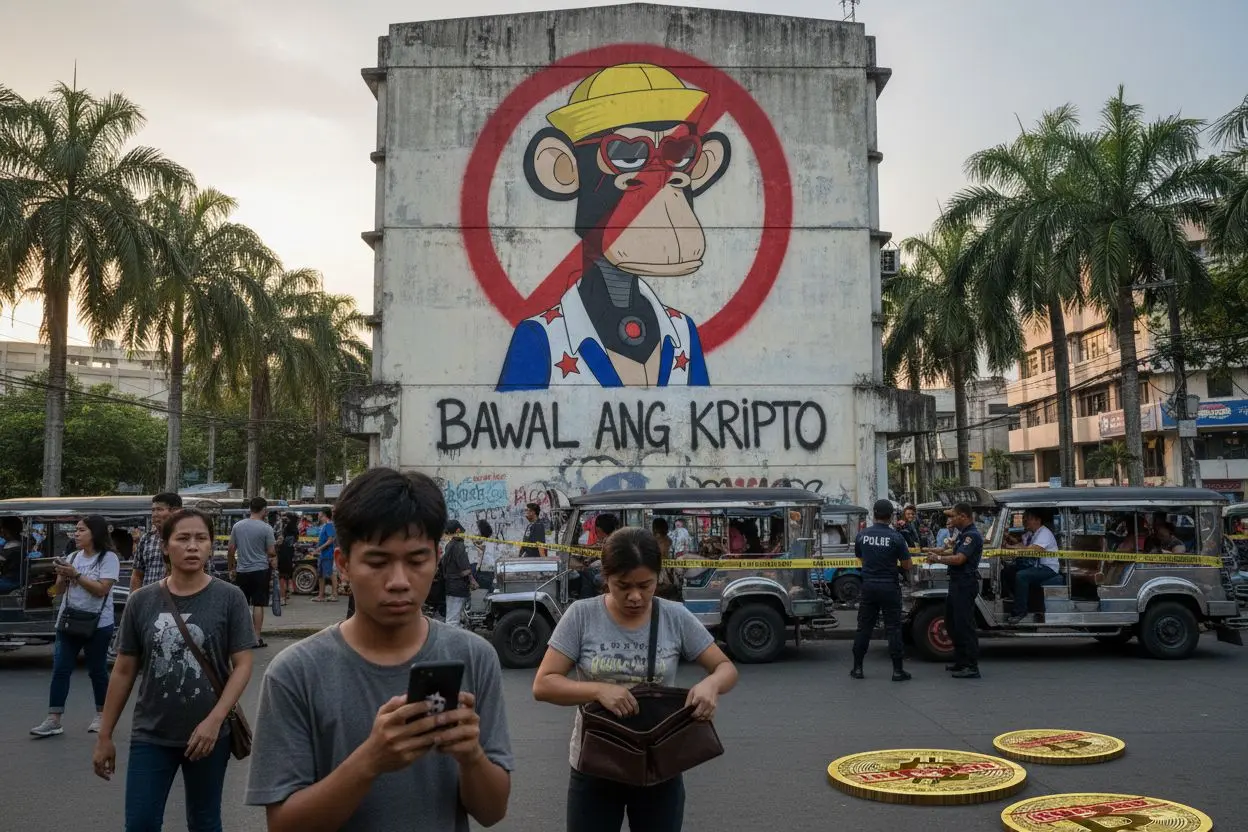
The crypto market in the Philippines is undergoing significant changes following regulators’ orders to block access to major global exchanges, including Coinbase and Gemini. This bold move signals that the country is now strictly enforcing local licensing rules for all virtual asset service providers (VASPs), and if you don’t have a license, you’re out.
Contents
ISPs Block Major Crypto Platforms
As of this week, Filipino users can no longer reach Coinbase or Gemini, with Cointelegraph confirming blocks across multiple ISPs. The order, issued by the National Telecommunications Commission (NTC) and acting on a list from the Bangko Sentral ng Pilipinas (BSP), targeted 50 online platforms for operating without authorization. While the BSP has kept the complete list confidential, the message is clear: only licensed players can remain in the game.
From Tolerance to Active Enforcement
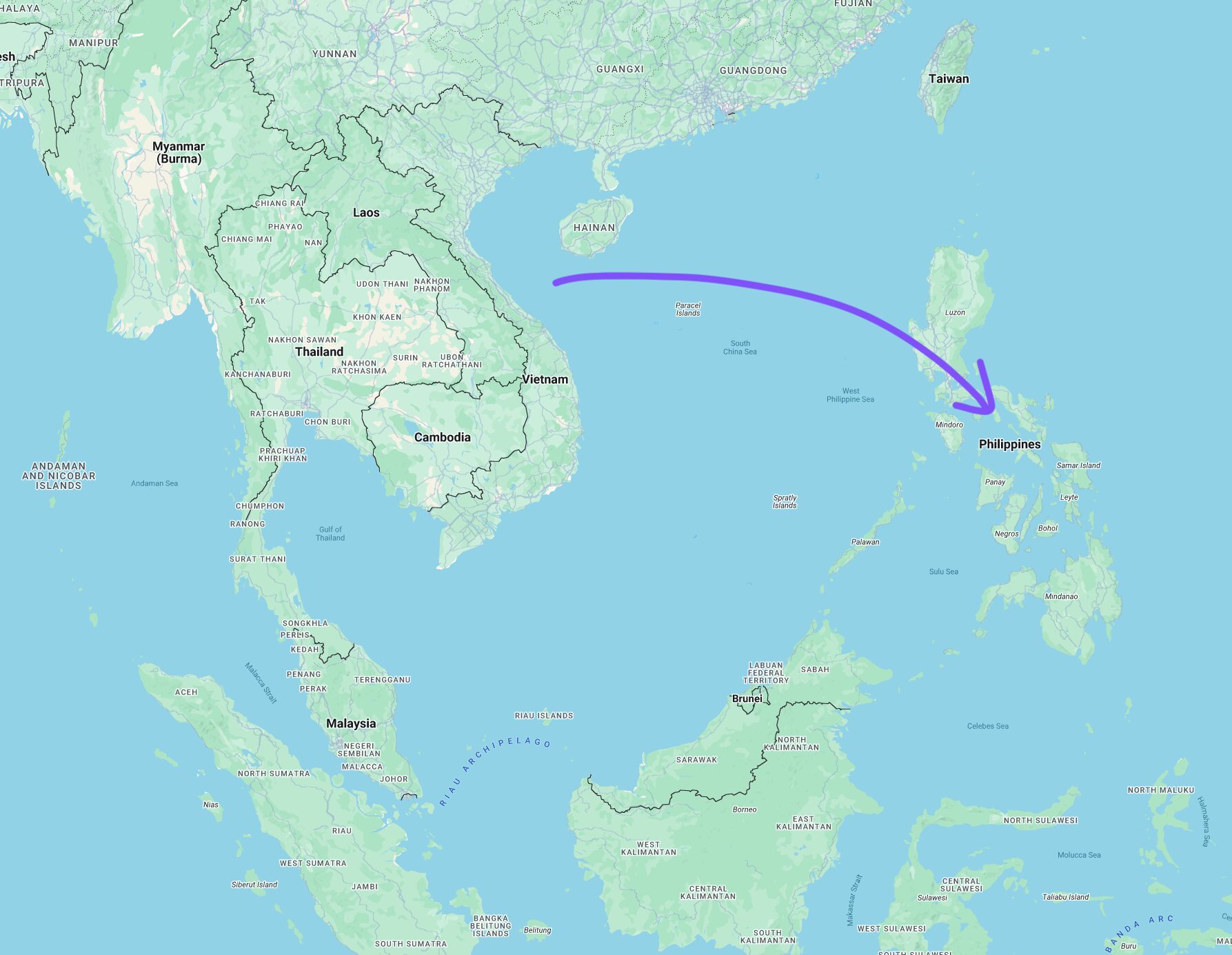
This marks a significant shift from the Philippines’ earlier stance of informal tolerance. It follows earlier crackdowns, including the high-profile blockage of Binance after a compliance countdown window expired in early 2024. Top names like OKX, Bybit, and KuCoin are also in regulators’ sights, further tightening access for the country’s crypto-hungry population.
Rise of Regulated Crypto Solutions
Even as unlicensed giants exit, regulated providers like PDAX and GoTyme are quickly filling the gap. PDAX, for example, now partners with Toku so Filipino freelancers and remote workers can get paid in stablecoins and cash out instantly to pesos. Digital bank GoTyme has teamed up with US fintech Alpaca to deliver a direct crypto buying and storage experience within its app.
NFT Compliance: forward thinking
Here’s a forward-thinking idea: To boost transparency and user trust, regulators could require exchanges and virtual asset providers to display blockchain-based NFT compliance badges. Each badge would be an immutable, verifiable proof stored on-chain, signifying that the platform has met local licensing and consumer protection standards. Users can easily verify the authenticity of their provider’s badge, reducing scams and enabling compliant platforms to turn their regulatory credentials into collectable digital tokens, potentially unlocking perks or discounts for NFT badge holders.
Final Thoughts
By blocking access to leading international crypto exchanges, the Philippines is prioritizing licensing and security. While it means fewer global options, local innovation and regulation could create a safer and more dynamic crypto market in the long run.
Read next
Volgt de NFT- en crypto-markt op de voet en vertaalt het nieuws naar wat het voor makers betekent.
Related articles
How to Run a Whitelist Presale Without Getting Sniped by Bots
Bots don't care about your allowlist, they care about being first. Here's how per-wallet limits, signature-based allowlist checks, and staggered timing keep a presale from getting swept before real holders get a chance.
1/1 NFT vs Generative Collection: Which Should You Launch First?
A single hand-crafted 1/1 and a large generative collection solve completely different problems. Here's a clear way to decide which one actually fits where you are as a creator right now.

How to Set Up NFT Token Gating for a Discord Community
Gate a Discord channel to actual NFT holders in a few steps: connect a verification bot, set the contract address, and assign roles automatically as wallets verify.
How to Renounce Contract Ownership After Deploying an NFT or Token
Renouncing ownership is one of the clearest trust signals a token or NFT contract can send. Here's what it actually does on-chain, when to hold off, and how to do it through iMintify's post-deploy tools.

ERC-721 vs ERC-1155: Which NFT Standard Should You Use?
ERC-721 and ERC-1155 solve different problems. Here's the practical difference between the two standards, what it costs in gas, and which one fits a PFP collection versus a game or edition drop.

How to use the AI NFT Generator
Turn a written idea into finished NFT artwork, from a single piece to a full collection with matching traits. No design software, no drawing skills.
iMintify in 2026: New Site, Upgraded App, Still Free
iMintify has a new website, revised blogs and fresh 2026 guides, and an upgraded app that is free under fair use. A community project with free credits to start. Long live NFTs.

What Is a Liquidity Pool? Crypto Liquidity Explained
What is liquidity in crypto and what is a liquidity pool? How pools and AMMs work, why liquidity matters for your token, when to add it, and impermanent loss explained.