1/1 NFT vs Generative Collection: Which Should You Launch First?
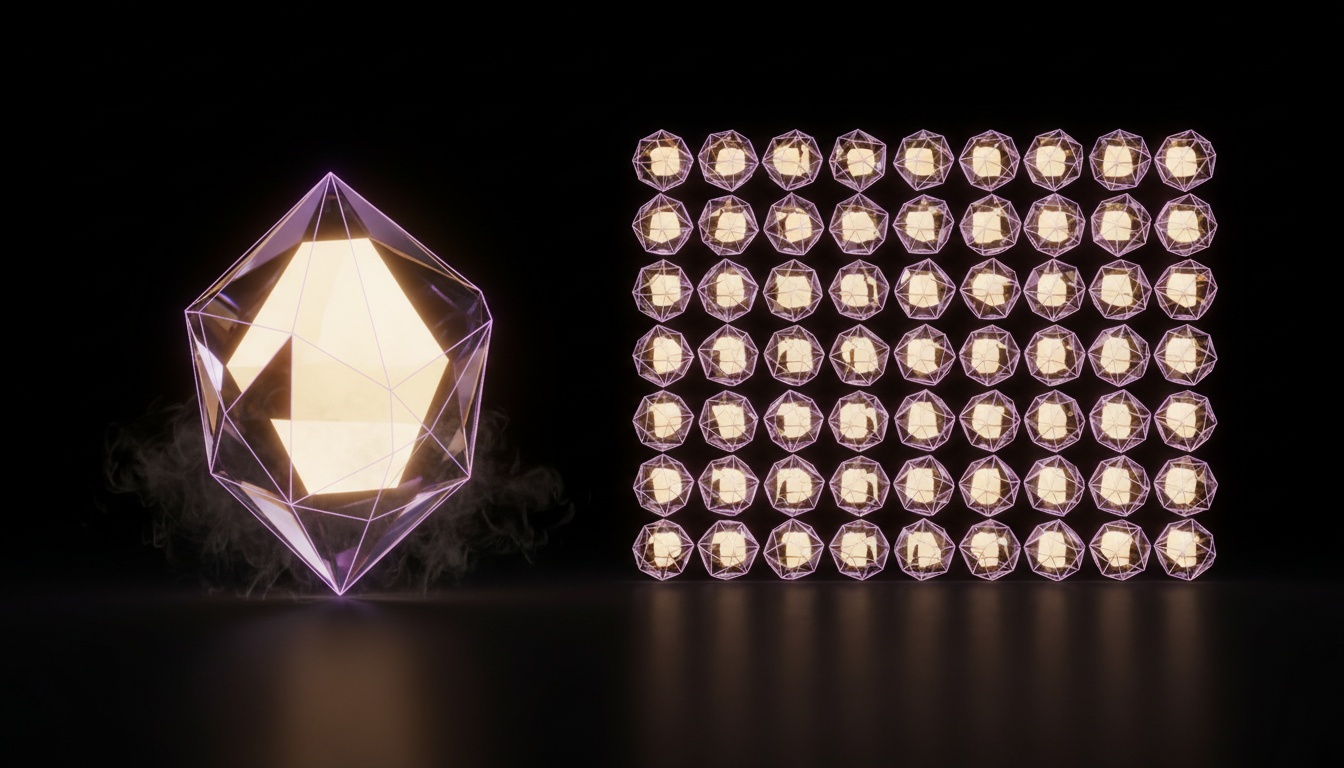
Should I do a 1/1 or a full collection is one of the most common questions from first-time NFT creators, and the honest answer is that they're not really competing options. They're different tools for different goals. One is about a single piece of art carrying its own weight. The other is about systems, traits, and community scale. Here's how to actually decide.
What a 1/1 NFT demands from you
A 1/1 is exactly what it sounds like: one token, one piece of art, no variations. The entire value proposition rests on that single image, animation, or piece of music being compelling enough on its own to justify a price. There's no rarity mechanic doing marketing work for you, no trait rarity chart for collectors to obsess over. It lives or dies on craft and, usually, on the artist's existing reputation or the story behind the piece.
The upside is that a 1/1 requires far less upfront tooling. You don't need layer files, trait weighting, or a reveal mechanic, just one finished piece and a wallet. It's the lowest-friction way to get something live and start learning how minting, listing, and marketplace mechanics actually work.
What a generative collection demands from you
A generative collection is a systems project before it's an art project. You're designing a set of layers, such as backgrounds, bodies, and accessories, that combine programmatically into hundreds or thousands of unique combinations, each with its own rarity based on how uncommon its traits are. This is where a layer generator earns its keep, handling the combinatorics and metadata generation that would be impractical to do by hand at any real scale.
The tradeoff is real complexity: trait balancing, so your rarest trait doesn't accidentally look worse than a common one, supply planning, and a rollout that usually includes an allowlist phase before public mint. It's a bigger commitment, but it also creates something a 1/1 can't: a community of holders who are all invested in the same collection's culture.
Cost and effort, side by side
- 1/1: one artwork, one mint transaction, minimal setup time, lowest upfront cost.
- Generative: layer artwork for every trait category, trait weighting decisions, testing combinations for visual conflicts, and typically a presale or allowlist flow before public mint.
- Ongoing effort after launch: a 1/1 is essentially done once sold, while a generative collection usually needs ongoing community management, since holders expect continued engagement.
Audience: who actually buys each one
1/1 buyers are usually art collectors first, drawn to a specific artist's style or a specific piece's story. There's no floor price mechanic pulling in speculative buyers, which means smaller reach but often more intentional buyers. Generative collections attract a broader, more speculative crowd who care about floor price, rarity ranking, and community, on top of whatever the art looks like. Neither audience is better, they're just different, and your existing following, or lack of one, should weigh heavily here.
What happens to your time after mint day
This is the part first-time creators underestimate most. A 1/1 sale is essentially a transaction with a beginning and an end, once it's sold, your obligation to that buyer is largely complete, aside from whatever royalty arrangement you've set up. A generative collection creates an ongoing relationship with hundreds or thousands of holders who now share a floor price, a Discord server, and an expectation that you'll keep showing up, whether that means community events, roadmap updates, or simply staying visible and responsive.
Neither path is wrong, but they demand different things from you as a creator. If you don't have the time or interest in ongoing community management, launching a generative collection anyway often leads to a project that feels abandoned within a few months, which does more reputational damage than never launching one at all. Be honest with yourself about which kind of commitment you're actually prepared to make before you pick.
Testing the market before committing fully
A middle path worth considering is a small generative collection, well under a thousand pieces, rather than jumping straight to a large supply run. It gives you the systems experience of trait design and layer combination without the pressure of filling a huge supply or managing a sprawling community from day one. If it goes well, you've learned the mechanics and built a small, engaged holder base you can build on for a larger follow-up. If it doesn't sell as hoped, the smaller supply means a smaller visible shortfall and an easier lesson to absorb.
A practical decision framework
If you're a working artist with an existing audience who values your specific style, start with 1/1s. It's the lower-risk way to test whether your work resonates on-chain before committing to the larger production of a full collection. If your goal is building a community around a shared identity, brand, or game, and you're comfortable with the extra design and rollout work, generative is the better fit, but plan for the allowlist and community management work that comes after mint, not just the art itself.
Plenty of creators do both in sequence: a 1/1 or small series to build initial traction and prove out minting mechanics, then a generative collection once there's an audience ready to show up for it. Starting small isn't a compromise, it's usually the smarter sequencing.
Budget and tooling differences worth planning for
A 1/1 needs almost no specialized tooling beyond a wallet and a place to list the finished piece. A generative collection benefits significantly from purpose-built software for laying out trait combinations, checking for visual conflicts between layers, and generating the metadata files that map each combination to its correct rarity weighting, work that would take an unreasonable amount of manual effort at any real supply size. Budget your time accordingly before committing to a launch date, since trait design and testing for a generative collection routinely takes longer than creators expect on a first attempt.
Whichever path you choose, the actual deployment step, minting the finished tokens on-chain, is the easy part by comparison. Most of the real work in either format happens before you ever click mint: finishing the art for a 1/1, or finishing the trait system and metadata for a generative collection.
What experienced creators wish they'd known first
A recurring theme among creators who've done both is that a generative collection's rarity design deserves more attention up front than it usually gets. A trait that's visually striking but assigned as common, sitting next to a visually plain trait marked ultra-rare, creates a mismatch that experienced collectors notice immediately and hold against the project. Spend real time reviewing how your rarity weighting actually looks against the finished art before you lock in trait percentages, rather than assigning rarity purely by gut feeling during the design phase.
For 1/1 creators, the most common piece of hindsight is underpricing the very first piece out of nervousness about whether anyone will buy at all. A first 1/1 sale sets a reference point for everything you price afterward, so it's worth researching what comparable artists at a similar stage actually charge rather than defaulting to the lowest number that feels safe.
Legt de basis uit: wat dingen zijn, hoe ze werken en waarom ze bestaan, zonder jargon.
Related articles
ERC-721 vs ERC-1155: Which NFT Standard Should You Use?
ERC-721 and ERC-1155 solve different problems. Here's the practical difference between the two standards, what it costs in gas, and which one fits a PFP collection versus a game or edition drop.
What Is a Liquidity Pool? Crypto Liquidity Explained
What is liquidity in crypto and what is a liquidity pool? How pools and AMMs work, why liquidity matters for your token, when to add it, and impermanent loss explained.
Are NFTs Dead in 2026? An Honest Look at Where They Stand
Are NFTs dead? The hype cooled, but NFTs are still widely used for memberships, gaming, tickets and loyalty. An honest look at what changed and where NFTs stand now.
How Do NFTs Work? Blockchain, Minting and Ownership Explained
How do NFTs work? An NFT is a unique token on a blockchain that points to your artwork and proves who owns it. Learn about minting, metadata, storage and smart contracts.
What Does NFT Mean? (NFT Stands for Non-Fungible Token)
What does NFT mean and what does NFT stand for? NFT stands for non-fungible token, a unique digital item you own on the blockchain. Here is what that means, in plain English.
Arweave vs IPFS for NFTs: Which Storage Is Truly Permanent?
IPFS keeps NFT files online while pinned; Arweave stores them permanently for a one-time fee. Here is the full comparison, and why iMintify offers both.
How to Set Up NFT Token Gating for a Discord Community
Gate a Discord channel to actual NFT holders in a few steps: connect a verification bot, set the contract address, and assign roles automatically as wallets verify.
How to Renounce Contract Ownership After Deploying an NFT or Token
Renouncing ownership is one of the clearest trust signals a token or NFT contract can send. Here's what it actually does on-chain, when to hold off, and how to do it through iMintify's post-deploy tools.