
Libya’s Energy: The Hidden Fuel for Bitcoin
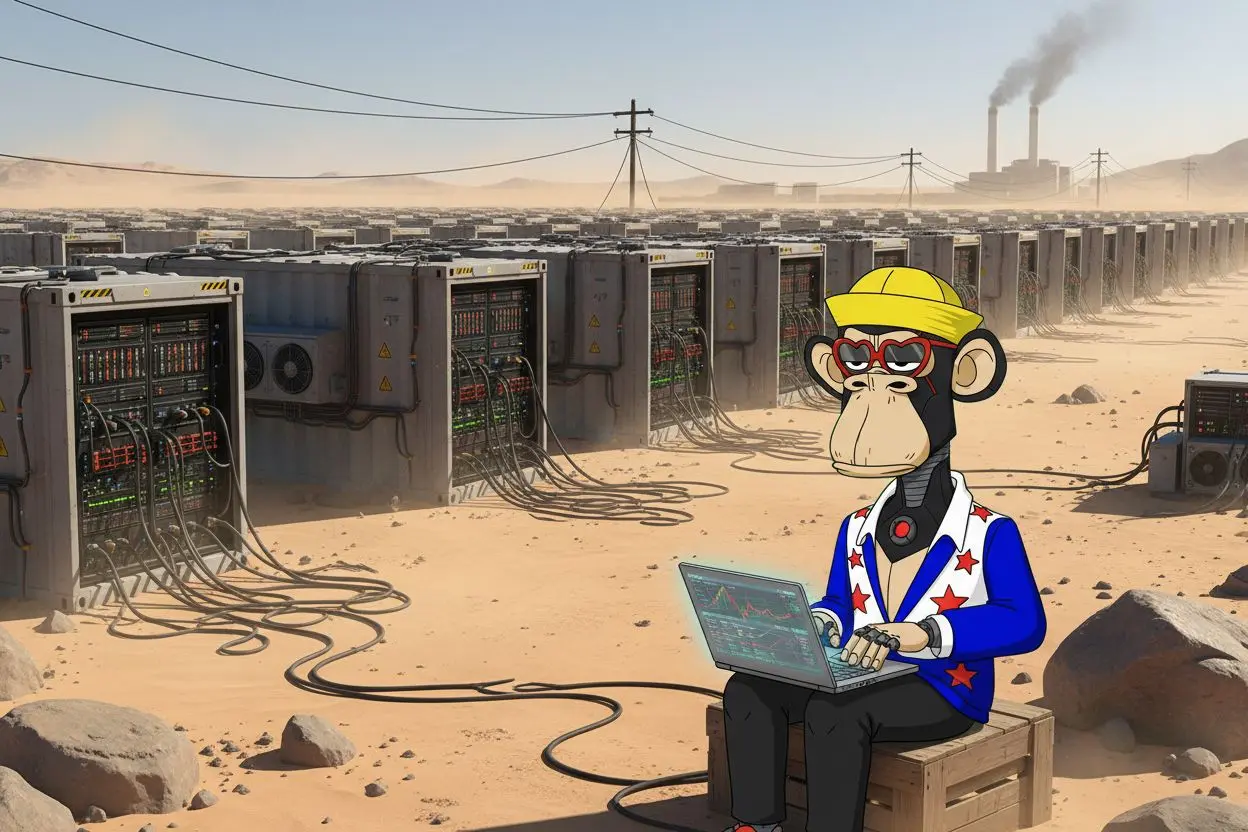
Libya, better known for oil and blackouts than technology, quietly became a global Bitcoin mining hotspot. The secret ingredient? Incredibly cheap, heavily subsidized electricity, sometimes as low as $0.004 per kilowatt-hour. Even outdated mining rigs could remain profitable, attracting both locals and foreign operators looking to cash in on almost-free power.
Contents
When Mining Meets Legal Grey Zones
Bitcoin mining in Libya operates in a gray area. Hardware imports are officially banned, yet there’s no clear law outlawing mining itself. Prosecutors have cracked down on illegal miners, like the recent three-year sentences for nine miners in Zliten. However, thousands of smaller rigs still hum away in factories, warehouses, and homes.
Mining vs. the Power Grid
At its height in 2021, Libya accounted for about 0.6% of the global Bitcoin hash rate. All that mining sucked up an estimated 2% of national electricity, a big problem for a grid already plagued by blackouts and theft. Hospitals and schools sometimes lost power, while backdoor server rooms kept running, often hidden with tricks like heat-camouflaged cement.
Cracking Down, But Not Shutting Down
Raids have seized thousands of machines, even nabbing foreign nationals running industrial-size farms. But with no direct mining ban, enforcement mostly targets electric theft, smuggling, and illegally earned profits. The lack of regulations means the cat-and-mouse game is far from over.
What’s Next: Regulate, Tax, or Shut Down?
Authorities are split: some want to regulate and tax mining, turning it into a legitimate industry that could create jobs and earn foreign cash. Others worry that mining fuels theft and money laundering, and deepens the power crisis. Until Libya picks a clear direction, mining and blackouts are likely to continue.
Tokenize Grid impact
Libya could issue “electricity usage NFTs” as unique digital collectibles linked to real-time mining power consumption. Each NFT could represent a chunk of the national grid’s output, turning power usage into a traceable, tradable asset. These NFTs could then be bought, sold, or audited, bringing new transparency to the relationship between Bitcoin mining and public resources.
Final Thoughts
Libya’s case is a wild example of how cheap energy, weak regulation, and crypto’s global reach collide in unexpected ways. The future? It depends on whether Libya can turn its underground mining boom into an opportunity or finally shut it down for good.
Read next
Volgt de NFT- en crypto-markt op de voet en vertaalt het nieuws naar wat het voor makers betekent.
Related articles

Crypto User Loses $282M in Massive Social Engineering Heist
A New Record: The Biggest Crypto Heist Yet? A jaw-dropping $282 million has vanished almost overnight, leaving the crypto community stunned. On January 10, 2026, someone pulled off one of the most outrageous social engineering heists anyone has ever seen….

Memecoin Comeback: Social Hype, Fresh Gains
Hey, remember when everyone said memecoins were dead? Well, scratch that. It turns out that risk-happy traders are flocking back to their favorite dog-themed tokens, and the numbers don't lie; memecoin social chatter has shot up, right along with prices…

ERC-721 vs ERC-1155: Which NFT Standard Should You Use?
ERC-721 and ERC-1155 solve different problems. Here's the practical difference between the two standards, what it costs in gas, and which one fits a PFP collection versus a game or edition drop.

How to use the AI NFT Generator
Turn a written idea into finished NFT artwork, from a single piece to a full collection with matching traits. No design software, no drawing skills.

iMintify in 2026: New Site, Upgraded App, Still Free
iMintify has a new website, revised blogs and fresh 2026 guides, and an upgraded app that is free under fair use. A community project with free credits to start. Long live NFTs.

What Is a Liquidity Pool? Crypto Liquidity Explained
What is liquidity in crypto and what is a liquidity pool? How pools and AMMs work, why liquidity matters for your token, when to add it, and impermanent loss explained.

How to Create a Token on BNB Chain (No Code)
Create a token on BNB Smart Chain with no code. Reach a huge retail audience, add liquidity on PancakeSwap, and launch cheaply with post-deploy tools and an Anti-Rug badge using iMintify.

The Best Free NFT Generator in 2026 (What to Look For)
What makes the best free NFT generator, and why iMintify fits: no-code AI and layer generation, an audited smart contract you own, free IPFS storage, and multi-chain deploys.