
Ghana Legalizes Crypto Trading and Gives Central Bank Regulatory Powers

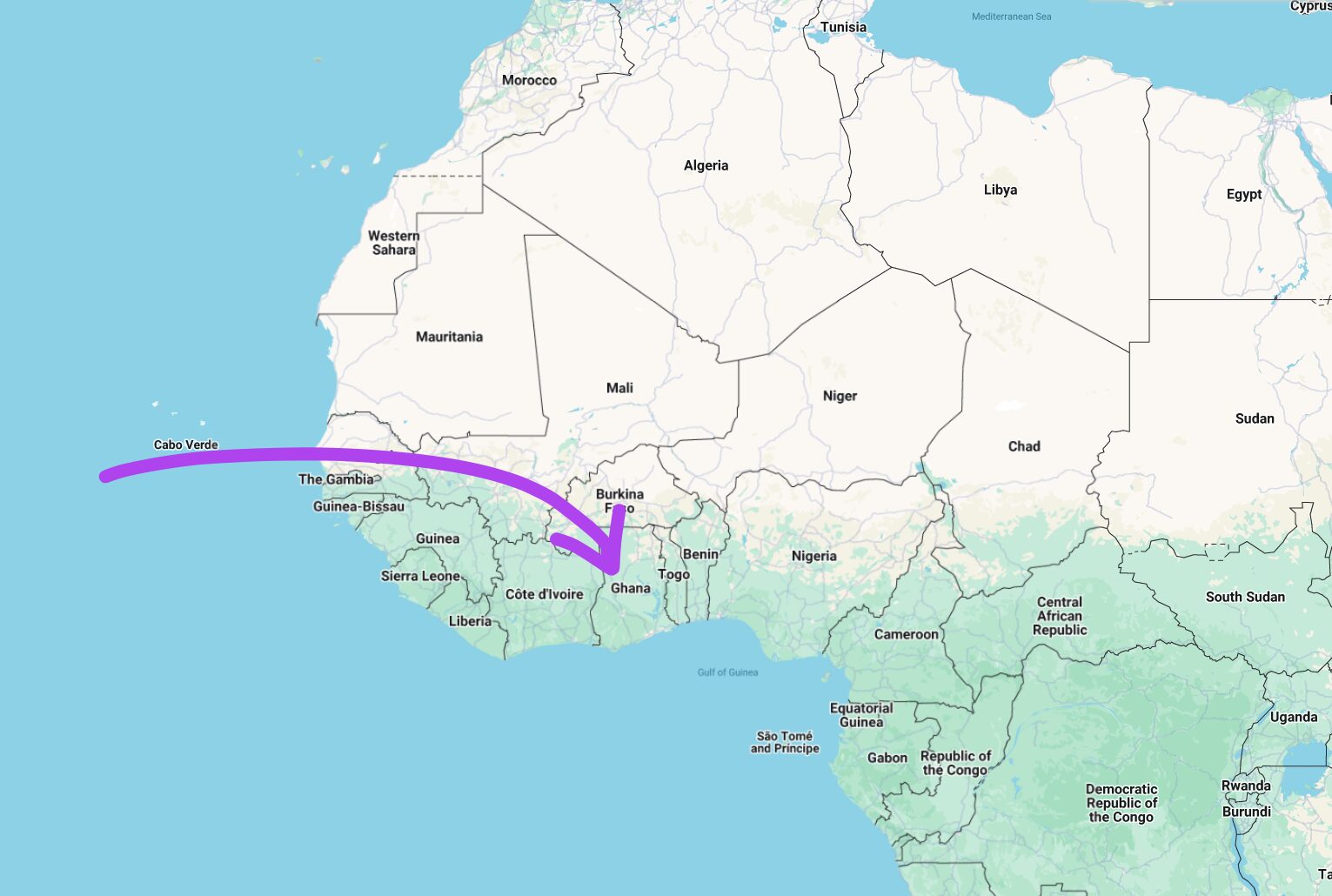
Ghana has officially entered the crypto space, legalizing cryptocurrency trading and granting the Bank of Ghana (BoG) full authority to regulate and license virtual asset providers. This move signals a significant shift for Ghana’s financial sector and sets a clear roadmap for both innovation and consumer protection.
Contents
A New Era for Crypto in Ghana
With the passing of the Virtual Asset Service Providers Bill, Ghanaian lawmakers have ended years of uncertainty. Citizens and entrepreneurs can now trade crypto legally without fear of arrest, while the BoG serves as the primary regulator of exchanges and wallet services. According to BoG Governor Johnson Asiama, this new legal framework brings order to the sector and reduces risks such as fraud and money laundering.
Central Bank’s Oversight Means Safer Markets
The BoG’s new supervisory powers mean crypto services in Ghana must meet strict licensing, compliance, and audit standards. For users, this means stronger protections against scams and systemic risks. For businesses, it means a clear set of rules to build on and innovate safely. The government is betting that regulation will not only minimize risk but also unlock new financial opportunities, especially for young and tech-driven entrepreneurs.
Ghana Among Africa’s Crypto Leaders
Ghana’s legal move lands it among Sub-Saharan Africa’s top five crypto economies, according to Chainalysis’ 2025 report. Despite Nigeria holding the regional crown, Ghana’s growing volume marks it as a hotbed for crypto adoption and digital economic growth in Africa. The region is booming, with Sub-Saharan Africa recording more than $205 billion in on-chain value and becoming the world’s third-fastest-growing crypto market.
Ghana’s Digital Proofs and Cultural NFTs
With this new regulatory clarity, Ghana has a unique opportunity to integrate crypto into its rich culture. Imagine state-approved “digital identity NFTs” for compliance and KYC, streamlining onboarding for millions. Or, local artists and musicians could mint official Ghanaian NFTs that showcase West African art, history, and music, powered and protected by a clear legal framework. Regulatory clarity could inspire everything from collectible NFT concert tickets to blockchain-backed land certificates.
Final Thoughts
This new law marks a turning point for Ghana, balancing financial innovation with safety. With a clear set of rules and enthusiastic adoption, Ghana is setting the standard for regulated crypto growth in Africa. If the country embraces its creative potential, expect a wave of new on-chain projects, startups, and potentially homegrown NFT trends.
Read next
Volgt de NFT- en crypto-markt op de voet en vertaalt het nieuws naar wat het voor makers betekent.
Related articles

How to Create a Multi-Chain NFT Collection (Same Art, Multiple Chains)
Same art, different chains. Here's how to actually deploy a collection across Ethereum, Base, Polygon, or BNB Chain without creating metadata chaos or confusing your own holders.

NFT Floor Price Explained: What It Means and Why It Moves
Floor price gets treated as the single number that defines a collection's health, but it's easy to manipulate and easy to misread. Here's what it actually measures and what to look at alongside it.

How to Add Royalties to Your NFT Collection with iMintify
Royalties are set once at deploy and hard to change later, so getting the percentage and enforcement model right matters. Here's where it lives in iMintify's flow and what to actually expect from marketplaces today.

How to Run a Whitelist Presale Without Getting Sniped by Bots
Bots don't care about your allowlist, they care about being first. Here's how per-wallet limits, signature-based allowlist checks, and staggered timing keep a presale from getting swept before real holders get a chance.

1/1 NFT vs Generative Collection: Which Should You Launch First?
A single hand-crafted 1/1 and a large generative collection solve completely different problems. Here's a clear way to decide which one actually fits where you are as a creator right now.

How to Set Up NFT Token Gating for a Discord Community
Gate a Discord channel to actual NFT holders in a few steps: connect a verification bot, set the contract address, and assign roles automatically as wallets verify.

How to Renounce Contract Ownership After Deploying an NFT or Token
Renouncing ownership is one of the clearest trust signals a token or NFT contract can send. Here's what it actually does on-chain, when to hold off, and how to do it through iMintify's post-deploy tools.

ERC-721 vs ERC-1155: Which NFT Standard Should You Use?
ERC-721 and ERC-1155 solve different problems. Here's the practical difference between the two standards, what it costs in gas, and which one fits a PFP collection versus a game or edition drop.