
Blog & News
education
Clear, jargon-free explainers on NFTs and web3. Learn what NFTs are, how they work, and the ideas behind them, so nothing trips you up.
Latest education articles, page 2
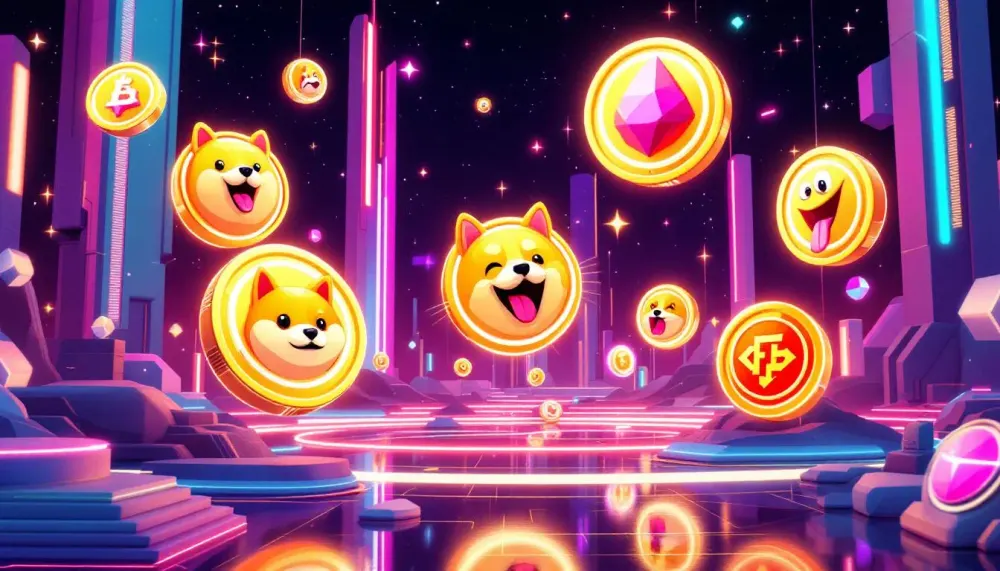
What Are Memecoins and Why Are They So Popular?
A memecoin is a token built around a joke or a community instead of a product. Why they took off, how they work under the hood, the risks, and how to tell a serious one from a one-day coin.
Updated Nov 14, 2026
Complete NFT Project Checklist
NFTs, or Non-Fungible Tokens, represent digital assets showing proof of authenticity or ownership of a specific item. The term 'non-fungible' signifies that the item is irreplaceable or unique, while the token signifies ownership. The underlying asset shall be a rare…
Published Sep 30, 2024
NFT Collection VS Smart Contract
Since 2020, NFTs and NFT collections have taken the blockchain industry by storm. Initially, these digital goods were created to be memorabilia or a collectible. However, as the technology and awareness about these progressed, people started building NFT collections with…
Published Jul 15, 2024
What are NFT Gas Fees?
As the Ethereum blockchain was launched, newer, innovative features of blockchains emerged. Among the many applications, the one that caught almost everyone's attention was Non-Fungible Tokens, NFTs. NFTs created a new stream of artists known as digital artists, and…
Published Jul 5, 2024
The 5 Best NFT Wallets in 2026
The best NFT wallets in 2026: MetaMask, Phantom, Ledger, Coinbase Wallet and Trust Wallet compared on security, chains and NFT display, plus how to choose.
Published Jun 22, 2024
What is an NFT Email Wallet?
The cryptocurrency boom has acquainted us with many exciting innovations, the most prominent being non-fungible tokens, or NFTs. NFTs paved the way for newer ways of creating and expressing art. As the NFTs gained momentum, almost every enthusiast in the…
Published Apr 8, 2024
What is Smart Contract ABI?
The cryptocurrency revolution took the world by storm. While Bitcoins paved the way for digital payments, they were unable to extend to other functionalities. Then, in 2017, the second major blockchain, Ethereum, opened the doors to newer features like non-fungible…
Published Apr 1, 2024
Lazy Minting of NFTs: What is it and Why is it a Big Relief to Digital Creators?
Web3 economy is ushering in. The solid proof of this is the blockchain-based cryptocurrency revolution, followed by the idea of digital asset ownership propagated by Non-fungible tokens. However, digital artists have been deterred from creating more NFTs due to the…
Published Mar 25, 2024
What are NFT Royalties and How Do They Help Creators?
The NFT revolution, in many ways, paved the way for a new generation of artists and creators. Using digital assets stored on the public distributed ledger to gain ownership and expression of art resulted in a revolution. With the immense…
Published Mar 18, 2024
What is a Split Contract?
In the Web3 arena, non-fungible tokens have carved a niche for themselves. From Beeple Art to CrytoKitties and Bored Apes Yacht Club (BAYC), all gained so much attention worldwide that the idea of rising to fame and earning huge money…
Published Mar 11, 2024
What is NFT token gating?
Non-fungible tokens, known as NFTs, have created a revolution. With the ability to portray any form of art, music, objects, collectibles, or others as NFTs on the blockchain, the complete idea of ownership and expression has gained a new significance….
Published Mar 4, 2024
Real estate NFTs
Non-fungible tokens, NFTs, have deeply impacted various domains. In real estate, NFTs have carved their niche by offering some very unique benefits. In this article, we delve into real estate NFTs, their benefits, and more. Let's get started. What are…
Published Aug 17, 2023
Learn Everything About NFTs and Tokens
This section covers the essentials of NFTs, from how minting works to choosing the right wallet and storage solution. Whether you are just starting out or looking to deepen your knowledge, these guides give you a practical foundation.
Understand how NFTs actually work
An NFT is a unique digital token stored on a blockchain that proves ownership of a specific asset. Understanding the technology behind it helps you make smarter decisions when creating or collecting them.
Minting, wallets, and storage explained
Minting turns a digital file into an on-chain token, but you also need a secure wallet and reliable storage to protect your assets long-term. Knowing your options, like IPFS or Arweave, directly affects the permanence of your NFT.
From idea to a full NFT project
Launching an NFT project involves more than just artwork, it requires planning, community building, and the right technical setup. A structured checklist helps you avoid common mistakes before and after launch.
Frequently asked
Do I need coding skills to create and mint an NFT?
No, modern no-code platforms like iMintify allow you to create, mint, and launch NFTs without writing a single line of code. The process is designed to be accessible to creators with any level of technical experience.
What is the difference between minting and buying an NFT?
Minting is the process of creating a new NFT on the blockchain for the first time, while buying means acquiring an NFT that already exists on the market. Minting gives you the original token, often at a lower cost than secondary market prices.
Which storage option is best for NFTs, IPFS or Arweave?
IPFS is widely used and cost-effective, but files can disappear if they are no longer pinned by any node. Arweave offers permanent, one-time-fee storage, making it the stronger choice if long-term availability is a priority.