

Blog & News
Blog: NFT guides, news & how-to’s
Everything about creating, minting and launching NFTs, no jargon, just the good stuff.
Latest NFT articles, page 6
Somnia and Unstoppable Domains Join Forces for Digital Identities
Somnia, a Web3 project focused on scalable blockchain solutions, has entered into a strategic partnership with Unstoppable Domains. This partnership, unveiled at Somnia's Token 2024 event, allows users to obtain decentralized digital identities through the .Dream domains, improving privacy and…
Published Sep 24, 2024
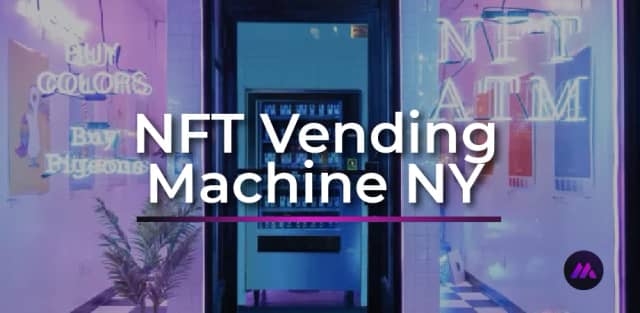
NFT vending machine New York
The Use of Vending Machines in the Digital Age Vending machines today are used for everything from food and beverages to more sophisticated products. The introduction of the NFT vending machine in 2022 was a notable innovation in this segment….
Published Aug 29, 2024
NFT Collection VS Smart Contract
Since 2020, NFTs and NFT collections have taken the blockchain industry by storm. Initially, these digital goods were created to be memorabilia or a collectible. However, as the technology and awareness about these progressed, people started building NFT collections with…
Published Jul 15, 2024
What are NFT Gas Fees?
As the Ethereum blockchain was launched, newer, innovative features of blockchains emerged. Among the many applications, the one that caught almost everyone's attention was Non-Fungible Tokens, NFTs. NFTs created a new stream of artists known as digital artists, and…
Published Jul 5, 2024
How to verify NFT Ownership?
NFTs have carved a niche in the crypto sphere. There is growing excitement around them, which shows no signs of slowing down. In this never-ending NFT spree, it becomes important to ensure the veracity or the true ownership details of…
Published Jul 1, 2024
The 5 Best NFT Wallets in 2026
The best NFT wallets in 2026: MetaMask, Phantom, Ledger, Coinbase Wallet and Trust Wallet compared on security, chains and NFT display, plus how to choose.
Published Jun 22, 2024
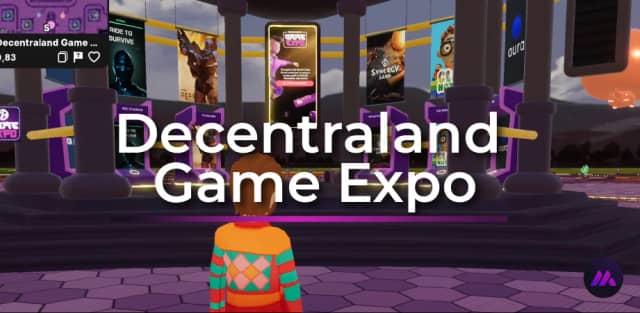
Decentraland's first game exhibition
Decentraland has just announced its first-ever \"Decentraland Game Expo,\" which will showcase the future of web3 gaming. It will take place from June 26 to 29, 2024. Decentraland metaverse Decentraland is a blockchain-based virtual platform. It is a digital world…
Published Jun 10, 2024
Second World Games Announces Launch Fantasy Troop!
Second World Games, founded by Carlos Cameo and Inigo Cavestany, has announced the launch of Fantasy Troop. This is a fantasy league for web3 gaming that is integrated into their game, Second World: New Era. In addition to the launch,…
Published Jun 1, 2024
What is an NFT Email Wallet?
The cryptocurrency boom has acquainted us with many exciting innovations, the most prominent being non-fungible tokens, or NFTs. NFTs paved the way for newer ways of creating and expressing art. As the NFTs gained momentum, almost every enthusiast in the…
Published Apr 8, 2024
What is Smart Contract ABI?
The cryptocurrency revolution took the world by storm. While Bitcoins paved the way for digital payments, they were unable to extend to other functionalities. Then, in 2017, the second major blockchain, Ethereum, opened the doors to newer features like non-fungible…
Published Apr 1, 2024
Lazy Minting of NFTs: What is it and Why is it a Big Relief to Digital Creators?
Web3 economy is ushering in. The solid proof of this is the blockchain-based cryptocurrency revolution, followed by the idea of digital asset ownership propagated by Non-fungible tokens. However, digital artists have been deterred from creating more NFTs due to the…
Published Mar 25, 2024
What are NFT Royalties and How Do They Help Creators?
The NFT revolution, in many ways, paved the way for a new generation of artists and creators. Using digital assets stored on the public distributed ledger to gain ownership and expression of art resulted in a revolution. With the immense…
Published Mar 18, 2024
The iMintify blog: what we cover and why
This is the reference library for making and launching NFTs and tokens without code. We cover four things: how the tools work, what the underlying technology does, what is happening in the market, and what any of it costs. Everything is written by the people who build the platform, tested on the live app, and updated when something changes.
Guides you can follow along
Step-by-step instructions for the AI generator, the layer generator, deploying a contract, mint websites, allowlists and the token creator. Written by Rico from the product itself: which button, what it costs in credits, and where people get stuck.
Explainers without jargon
Sean covers the groundwork: what an NFT actually is, how minting works, why metadata and IPFS matter, what gas fees are and how royalties are paid. Written for people starting out, with a definition first and an example after.
News that changes something
Kate follows the NFT and crypto market and writes when it matters for creators: marketplace rules, chain upgrades, fee changes, notable drops. No press releases and no recycled headlines.
Costs, in plain numbers
What it costs to create a collection, deploy on Solana against an EVM chain, list a token, or store files permanently. We publish the actual amounts and update them when network fees move.
Chain by chain
Solana, Ethereum, Base, Polygon and BNB Chain each have their own audience, fees and quirks. Each guide says which chain fits which kind of launch instead of pretending they are interchangeable.
We build what we describe
That is the difference with most NFT blogs: every guide points to a tool you can use straight away, free, with the blockchain network fee as the only cost. If the app changes, the article changes with it.
Frequently asked
What is the iMintify blog about?
Creating, minting and launching NFTs and crypto tokens without code. Three types of articles: how-to guides for the tools, explainers about the underlying technology like metadata, gas fees and wallets, and news from the NFT market that affects creators.
Who writes the articles?
Three people, each with their own beat. Rico writes the product guides and how-to's, Kate covers the news, and Sean writes the educational pieces. Every article shows its author, and the same person keeps their articles up to date.
How often do you publish?
Weekly on average. We publish when there is something worth reading instead of hitting a quota, and we revise older guides when the product, the fees or the market change.
How do you keep guides accurate?
Every guide is written from the live app and re-tested before publishing. When the app changes we update the existing article and show the update date on the card, instead of publishing a near-duplicate.
Is the information free to use?
Yes. Every article is free to read and the tools they describe are free to use. The only cost when you actually mint or deploy is the blockchain network fee, which goes to the network and not to us.
Can I make an NFT here, or is this only a blog?
Both. iMintify is the platform the guides describe: generate artwork with AI or from your own layers, deploy an audited contract you own, get a hosted mint site with an allowlist, and create an SPL or ERC-20 token.
Which blockchains do you cover?
Solana and the main EVM chains: Ethereum, Base, Polygon and BNB Chain. The guides explain the differences in cost, speed and audience so you can pick per project rather than by habit.
Do I need a wallet or coding knowledge to follow the guides?
A wallet yes, coding no. The guides assume no development experience and explain wallet setup where it is needed; everything else happens through the interface.
Is the blog available in Dutch?
Yes. Most articles have a Dutch version under /nl, written from the English original and kept in sync when the English changes.
How is this different from other NFT blogs?
Most NFT blogs write about tools other people build. We build the tools, so a guide can say exactly which button to press, what it costs, and what happens when it fails. And when a guide is wrong, we can fix the product as well as the text.