
Blog & News
Blog: NFT guides, news & how-to’s
Everything about creating, minting and launching NFTs, no jargon, just the good stuff.
Latest NFT articles, page 8
NFT Airdrops Guide
NFTs are already making an ever-lasting impression on their hardcore enthusiasts. In this space where there are many players, marketing your NFTs effectively becomes imperative. In this article, we delve into NFT airdrops, which are a great tool in advertising…
Published Aug 17, 2023
Do you know who created NFTs?
Well, we all feel mesmerized upon hearing the term, \"Non-fungible tokens\", commonly known as NFTs. Why not? They have introduced us to newer ways of life, decentralization, play-to-earn games, ownership, and more. By the way, has all this…
Published Jul 27, 2023
Top 10 NFT Projects
NFT is no longer a buzzword. In recent times, it has garnered a lot of attention from audiences far and wide. NFT projects operate in multiple spaces, gaming, real estate, sports, and more. There are countless upcoming NFT projects….
Published Jul 20, 2023
Create NFT with Photoshop
Non-fungible tokens, NFTs, took the world by storm. Essentially, these are digital assets that are unique and can be stored on a blockchain network. While NFTs could be anything, collectibles, images, music, tweets, etc., the form of NFT that…
Published Jun 29, 2023
NFT Smart Contract
NFTs, primarily reside on the Ethereum blockchain and are executed using the smart contracts functionality. Smart contracts are pre-defined agreements automatically executed when certain conditions are met. In simple technical language, smart contracts are programmable if-else statements that make t
Published Jun 14, 2023
How to make an NFT Collection? (10,000 pieces)
An NFT is no longer a neologism. With the clan of digital artists rising to fame, more crypto enthusiasts are pulled toward this mesmerizing space. In this article, we delve into how to make an NFT collection comprising some 10,000…
Published May 15, 2023
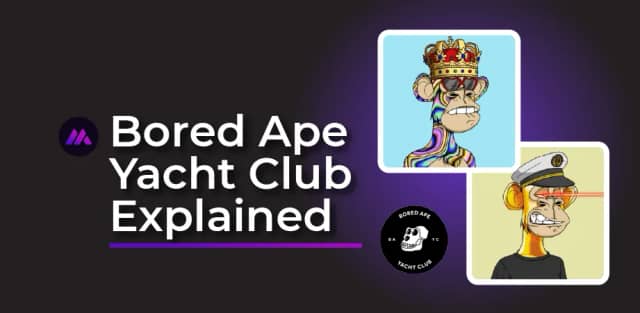
The Bored Ape Yacht Club (BAYC) – A Remarkable NFT
NFTs date back to the time when in 2014, digital artist Kevin McCoy minted the first NFT art named Quantum on the Namecoin blockchain. After that, thousands of NFTs were minted on Ethereum and other blockchains. In 2021, the NFTs…
Published May 15, 2023
Our first video on Youtube
Exciting news! We've just published our first video on our YouTube account. This is an outro video that will be followed by many more videos. We have big plans for our channel and can't wait to bring you along for…
Published May 6, 2023
NFT Marketing Guide: All You Need to Know
Non-fungible tokens, or NFTs, are growing in popularity at an astronomical pace. They show no signs of slowing down. With the hype around NFTs increasing, budding artists and brands are trying their hands at this sport. While designing your NFT…
Published Apr 26, 2023
Exploring the 5 Best NFT Wallets!
NFTs are the in-thing. And they are here to stay. That said, there's tremendous growth in the number of creators and collectors. This makes the need for safe storage of NFTs, a mandate, which leads us to NFT wallets. If…
Published Apr 16, 2023
What makes an NFT valuable?
With the crypto space exploding as never before, more companies, creators, and businesses are tapping their potential to seek opportunities. Particularly, the arena of online gaming is coming up with exuberant ideas. Developers are looking for newer ways to innovate,…
Published Apr 8, 2023
Why do people buy NFTs?
While there are myriad reasons for people to buy NFTs, the primary ones are, investment and pleasure. Some people buy them to meet their passion by collecting memorabilia of artists or musicians they adore. Others consider NFTs as a…
Published Apr 2, 2023
The iMintify blog: what we cover and why
This is the reference library for making and launching NFTs and tokens without code. We cover four things: how the tools work, what the underlying technology does, what is happening in the market, and what any of it costs. Everything is written by the people who build the platform, tested on the live app, and updated when something changes.
Guides you can follow along
Step-by-step instructions for the AI generator, the layer generator, deploying a contract, mint websites, allowlists and the token creator. Written by Rico from the product itself: which button, what it costs in credits, and where people get stuck.
Explainers without jargon
Sean covers the groundwork: what an NFT actually is, how minting works, why metadata and IPFS matter, what gas fees are and how royalties are paid. Written for people starting out, with a definition first and an example after.
News that changes something
Kate follows the NFT and crypto market and writes when it matters for creators: marketplace rules, chain upgrades, fee changes, notable drops. No press releases and no recycled headlines.
Costs, in plain numbers
What it costs to create a collection, deploy on Solana against an EVM chain, list a token, or store files permanently. We publish the actual amounts and update them when network fees move.
Chain by chain
Solana, Ethereum, Base, Polygon and BNB Chain each have their own audience, fees and quirks. Each guide says which chain fits which kind of launch instead of pretending they are interchangeable.
We build what we describe
That is the difference with most NFT blogs: every guide points to a tool you can use straight away, free, with the blockchain network fee as the only cost. If the app changes, the article changes with it.
Frequently asked
What is the iMintify blog about?
Creating, minting and launching NFTs and crypto tokens without code. Three types of articles: how-to guides for the tools, explainers about the underlying technology like metadata, gas fees and wallets, and news from the NFT market that affects creators.
Who writes the articles?
Three people, each with their own beat. Rico writes the product guides and how-to's, Kate covers the news, and Sean writes the educational pieces. Every article shows its author, and the same person keeps their articles up to date.
How often do you publish?
Weekly on average. We publish when there is something worth reading instead of hitting a quota, and we revise older guides when the product, the fees or the market change.
How do you keep guides accurate?
Every guide is written from the live app and re-tested before publishing. When the app changes we update the existing article and show the update date on the card, instead of publishing a near-duplicate.
Is the information free to use?
Yes. Every article is free to read and the tools they describe are free to use. The only cost when you actually mint or deploy is the blockchain network fee, which goes to the network and not to us.
Can I make an NFT here, or is this only a blog?
Both. iMintify is the platform the guides describe: generate artwork with AI or from your own layers, deploy an audited contract you own, get a hosted mint site with an allowlist, and create an SPL or ERC-20 token.
Which blockchains do you cover?
Solana and the main EVM chains: Ethereum, Base, Polygon and BNB Chain. The guides explain the differences in cost, speed and audience so you can pick per project rather than by habit.
Do I need a wallet or coding knowledge to follow the guides?
A wallet yes, coding no. The guides assume no development experience and explain wallet setup where it is needed; everything else happens through the interface.
Is the blog available in Dutch?
Yes. Most articles have a Dutch version under /nl, written from the English original and kept in sync when the English changes.
How is this different from other NFT blogs?
Most NFT blogs write about tools other people build. We build the tools, so a guide can say exactly which button to press, what it costs, and what happens when it fails. And when a guide is wrong, we can fix the product as well as the text.